Anthracnose
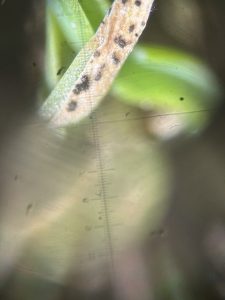
A wise lady once told me “Anthracnose is almost always the symptom of a larger problem”. After 10 years of travelling around watching this disease, I have found that statement to be true. If you have a history of dealing with this disease, together we can look at all factors including environmental, nutritional, cultural, chemical and more, that can greatly lessen the diseases impact.
Dollar Spot
This is the largest and most problematic disease we have in our region. This disease is however greatly influenced by different nutritional approaches, while also ensuring that other practices are agronomically sound. A fast-acting pathogen in the right conditions with grass growing in the wrong environment can lead to major outbreaks. By correcting some of the issues that influence the diseases outbreak, you enable your pest control program to work without having to use extra applications. Together, we can work on this.
Fusarium Patch
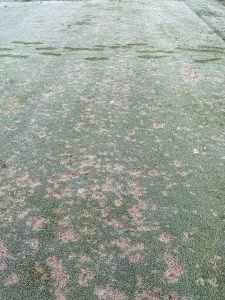
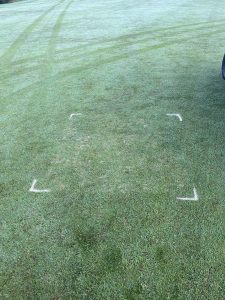
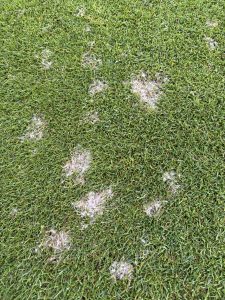
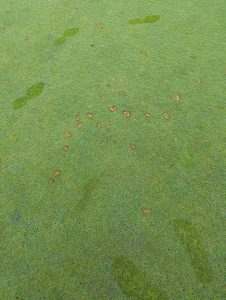
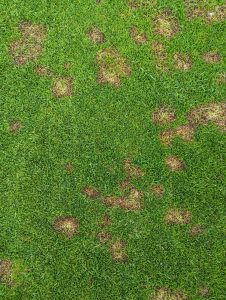
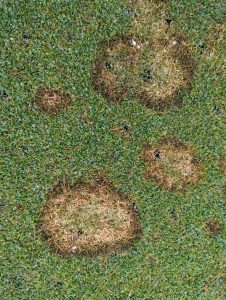
Usually, a disease that most worry about in early to mid Spring and mid to late Fall, but due to our coastal climate, some courses can see activity into July. Fusarium Patch is another disease that is heavily influenced by the environment the grass is growing in. Fertility, irrigation and sunlight are just a few of the many things we can look at to increase the grasses’ ability to fight off the pathogen, so that pest control programs can function properly.
Snow Mold
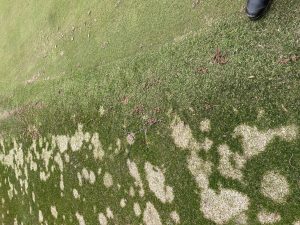
As our ocean warms, our winters continue to warm as well. The duration of snow cover and ground temperature are just a few things this disease needs to flourish. Most golf courses continue to use overwinter protection products, which is most certainly the recommended best management practice, but as our seasons change, these different programs can change as well.
Take All Patch
This is become more problematic as the years go by. Formerly known as a disease that only affects bentgrass on sand based rootzones that are less than 10 years old, because of our climate, and the duration the pathogen can stay active in our cool climates, I believe it makes us very prone to outbreaks. A disease that can be managed by a few different integrated pest management strategies to lessen its impact. This disease does its damage to the root zone in Spring and Fall, but it isn’t until environmental conditions warm up and get stressful that you see the damage that the pathogen has done.
Leaf Spot
Leaf Spot is a disease that causes the grass to appear reddish and that will track with your mowing equipment if you have a good outbreak on the go. We have long suffered from this disease in Nova Scotia from Halifax south to Yarmouth, but I have heard of other reports as our climate continues to change further north.
Yellow Patch
This is a disease we see during cool and wet weather in Spring and Fall. It is a slower moving pathogen that can look unappealing but only causes damage if it gets very bad. If you see a return to sunshine and warming temperatures in the forecast, the symptoms of this disease will reside.
Brown Ring Patch
This disease is very closely related to Yellow Patch but prefers air temperatures to be slightly warmer. Like Yellow Patch, the most unappealing part of this disease is the visual look, and it needs to get very bad before causing plant damage at the surface. Sunlight, air flow and quality growing environments reduce the chances of this pathogen. Watch your weather forecast before actioning.
Brown Patch
A very rare disease for Atlantic Canada we see on creeping bentgrass in the heat and humidity of summer. This disease is usually cured through cultural improvements as our average weather is just not supportive of its development, yet. In fact, this is a disease that I could “create” in an area of a golf course I worked on. Treatment is usually necessary, but looking at the weather forecast can also play a factor in decision making.
Fairy Ring
This is a disease that can express itself in a few different ways. Most commonly is the arc of dark green grass, but you could also see that arc full of mushrooms, or, dead. Most noticeable once grass begins to go dormant in the Fall, Fairy Ring is usually a disease that is treated on golf greens. Dead and decaying wood material in the soil often the cause of symptoms, and the dark green effect is caused by microscopic bugs digesting material and producing huge amounts of nitrogen. Fairy Ring can cause the soil to go hydrophobic, which would require wetting agents to treat.