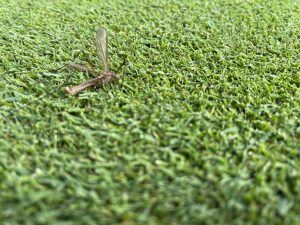
European Chafer
The European Chafer is a brown or tan beetle that from what we see generally prefers drier, less fertile soil in which to lay its eggs. This is one of two major white grubs that affect turfgrass in Atlantic Canada. You can find chafer grubs in very large numbers by simply grabbing the turf and giving it the “tug” test.
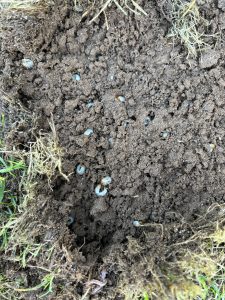
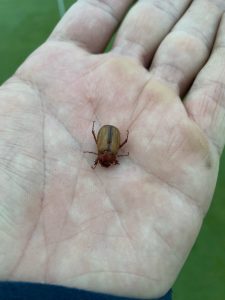
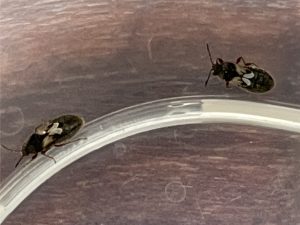
Chinch Bug
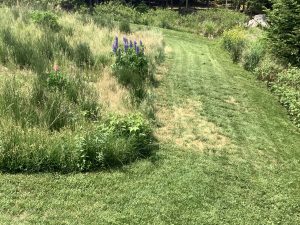
The Chinch Bug is more of an issue on home lawns, but we do see it on the golf course from time to time. When scouting for Chinch Bugs, look for areas that are constantly dry, from lack of rainfall or that do not have irrigation. Because of the hot and dry nature of bunker faces, it’s a pretty good place to locate Chinch Bugs in this location.
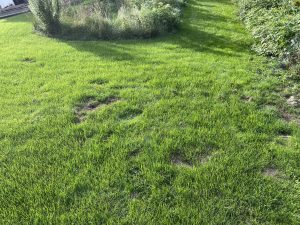
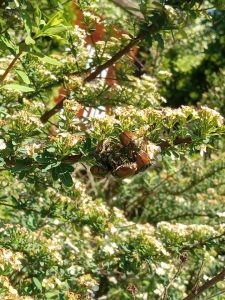
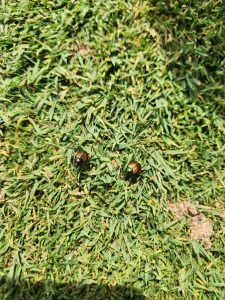
Japanese Beetles
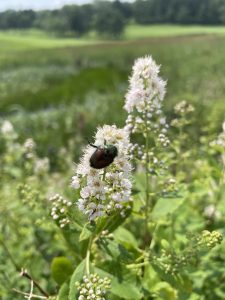
One of two major white grub problems that we are seeing in Atlantic Canada. There are not too many locations that we do not find white grub populations anymore, and you can almost be certain to have a problem in the years to come if you are seeing an area of white grub activity currently. Scouting for these pests is crucial so that you can make a strong pest management program to eliminate them from becoming a large problem, which they certainly do.
Annual Bluegrass Weevil
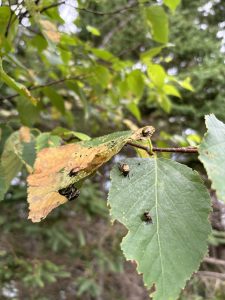
Not as large of a problem here in Atlantic Canada, yet. During my last 10 years of searching the Maritimes for different turf pests, I have located this insect in each province except for Newfoundland. Harder to detect due to their small grub size, these insects love to attack annual bluegrass which then gives it the yellow color that we love to call other diseases or just poa not performing well. This insect is easy to control with a proper pest management program, and you can often be spraying for other diseases when you need to be treating for this insect.
Sod Webworm
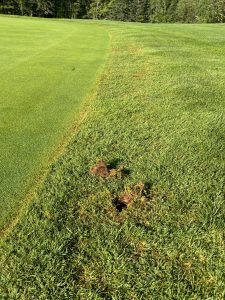
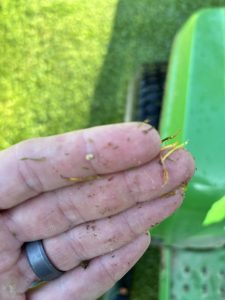
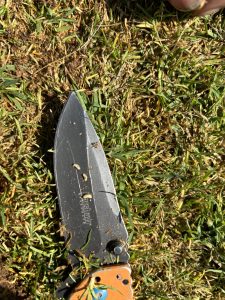
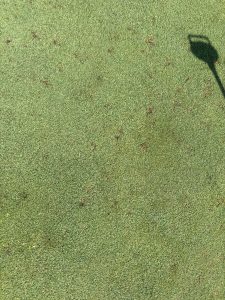
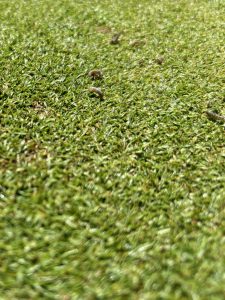
Not a common pest of golf courses in Atlantic Canada, but something that does come up from time to time. I have seen sod webworm attack bunker faces and have often seen them in large numbers on small areas of greens.
European Crane Fly
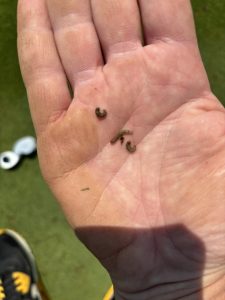
I look at this insect as the one that does just enough damage that you are second guessing yourself on what’s happening and even going as far as trying to blame yourself. Adults fly from late August to early October in our region and if you are seeing large numbers you can count on all kinds in those areas the following Spring. Making note of these areas can help you with identifying the cause of poor performing turf in the Spring. There are several different things you can do to fight back against a Leatherjacket invasion.